
Open 7 days · 7:00am – 5:00pm ● Hillsborough · Polk · Pasco ● Licensed & Insured
813-754-9891
Home›Blog›The Right Soil for Your Septic System & Why it Matters
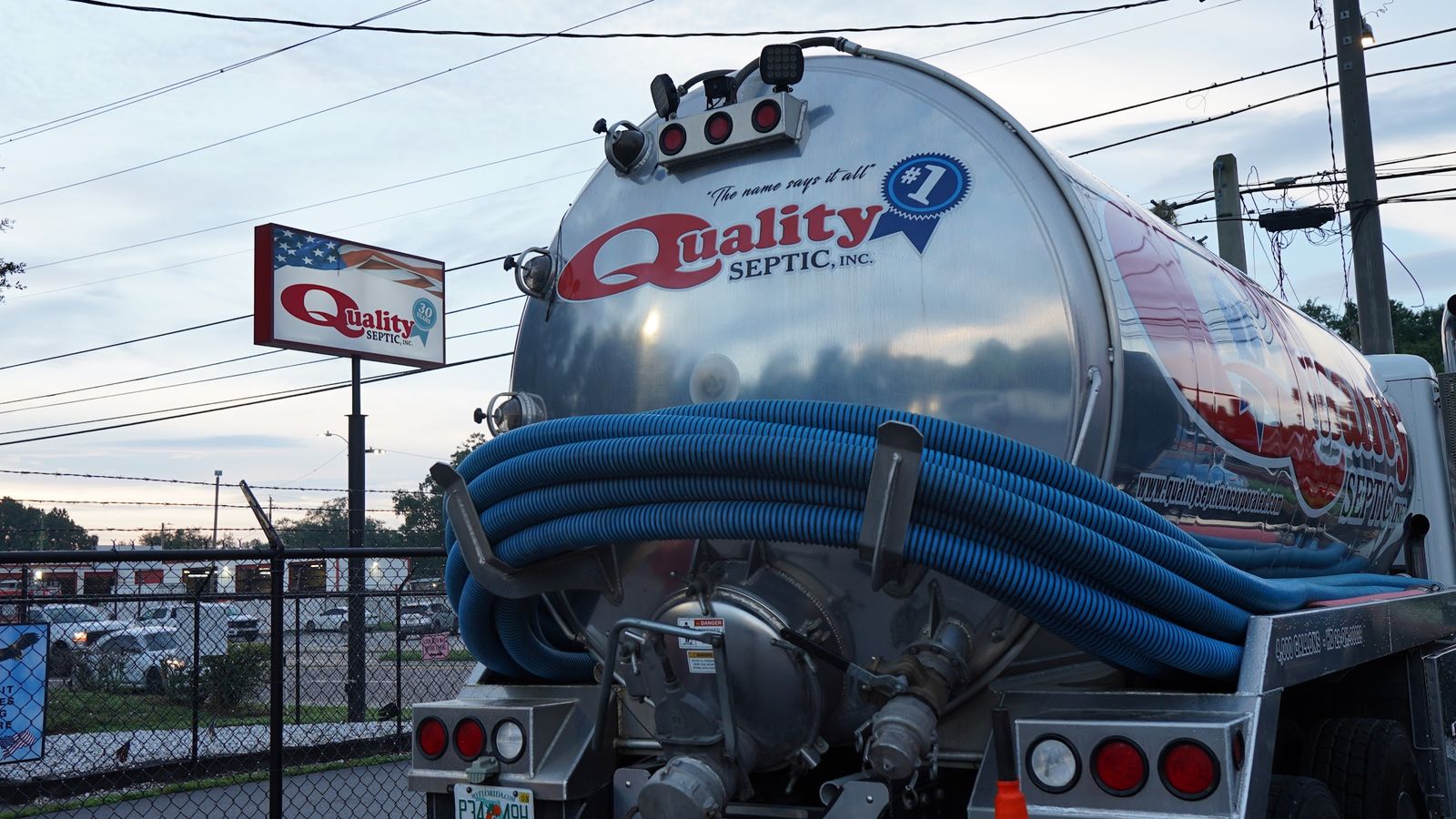
Quality Septic crew at work

Septic advice · June 25, 2025

The Right Soil for Your Septic System & Why it Matters

At Quality Septic Inc., we understand how crucial it is to align your septic system with your property’s soil composition. Whether constructing a new residence or upgrading an existing system, soil type significantly influences septic performance. From sandy coastlines to clay-rich inland regions, soil variations affect system effectiveness, making it essential to identify your soil type and select an appropriate system. Engaging a qualified septic services professional is the optimal approach. An experienced provider can readily identify soil composition and suggest the most suitable system.

When selecting a septic company, focus on three prevalent soil categories. Since your septic system depends on surrounding soil to naturally filter and process wastewater, each requires a specific system type for optimal performance. Following discharge from your septic tank, wastewater enters the drain field, where it filters through soil. This mechanism eliminates harmful bacteria, viruses, and nutrients before water returns to groundwater. Overly dense soil prevents adequate drainage, causing backups and pooling. Conversely, excessively loose or sandy soil allows wastewater to pass through too quickly, preventing thorough filtration. Understanding soil type is fundamental before installing or replacing systems.

Common Soil Types and the Right Septic Systems for Each

1. Sandy Soil

Coastal regions like Clearwater, Daytona, and the Panhandle typically feature sandy soil. This exceptionally porous material allows water to drain very rapidly. While initially appearing advantageous, this poses significant challenges for septic systems. Because water moves through excessively fast, “it doesn’t get enough time to be naturally filtered by the soil, increasing the risk of untreated waste reaching groundwater sources.”

Best Systems for Sandy Soil:

Performance-Based Treatment Systems (PBTS)These custom-engineered solutions exceed traditional treatment standards. PBTS units process wastewater to superior quality before reaching the drain field. This enhanced treatment proves essential in sandy environments with limited natural filtration. Systems frequently incorporate disinfection and nutrient removal, making them appropriate for environmentally sensitive coastal and water-adjacent locations.
Timed Dosing SystemsSandy soils absorb water rapidly, causing uncontrolled wastewater flow to overwhelm the area and diminish effectiveness. Timed dosing systems address this through pump-regulated wastewater discharge at controlled intervals. This methodology grants the drain field recovery periods between cycles, improving absorption and treatment without risking groundwater bypass.
Sand Filter Systems (Engineered)Though sandy soil exists naturally, engineered sand filters supply consistent, regulated filtration medium. These systems function as intermediaries between the septic tank and native soil, capturing solids, nutrients, and bacteria before water continues through the drain field. This approach slows the treatment process for enhanced results.

2. Clay and Loamy Clay Soil

North and Central Florida inland regions frequently contain clay or loamy clay soil. This dense material exhibits poor drainage and slow absorption. Retaining water exceptionally well—beneficial for agriculture but detrimental for septic systems—this soil can cause surface pooling, home backups, or system failure without proper solutions.

Best Systems for Clay Soil:

Mound SystemsAmong the most dependable options for clay-predominant areas, mound systems position the drain field above native soil using layered sand and gravel. This configuration improves drainage and maintains treated wastewater separation from underlying dense, slow-draining clay. Protection from soggy yard conditions and consistent year-round functioning—even following substantial rainfall—are key advantages.
Aerobic Treatment Units (ATUs)Comparable to residential wastewater treatment facilities, ATUs introduce oxygen into tanks, enabling aerobic bacteria to decompose waste faster and more effectively than conventional systems. Wastewater reaching the drain field is substantially cleaner, simplifying slow-draining soil management. This represents an excellent selection for space-constrained properties or those requiring elevated treatment levels.
Drip Irrigation SystemsRather than immediate wastewater discharge, drip systems gradually and uniformly release effluent across broader areas via subsurface tubing. Particularly advantageous in clay soils where slow absorption benefits from prolonged, dispersed distribution, this approach prevents localized overloading and maintains consistent system performance.

3. Organic or Muck Soils

The Everglades region and throughout South Florida—including Miami-Dade, Collier, and Palm Beach sections—feature muck or organic soils. These dark, nutrient-rich materials contain substantial decomposed vegetation and retain considerable moisture. Excellent for gardening but problematic for septic systems, these soils transform as organic matter breaks down, affecting system reliability. Additionally, high water tables complicate matters further.

Best Systems for Muck or Organic Soil:

Engineered Fill SystemsBecause muck soils lack stability and consistent percolation requirements for traditional drain fields, engineered fill systems provide solutions. This technique involves importing approved sand or sandy loam to establish new soil layers above existing material. The resulting imported fill-based drain field guarantees proper treatment and structural integrity.
Elevated Mound or ATU SystemsLike clay soil applications, mound systems and ATUs deliver superior outcomes for elevated water-table regions. Mounds position drain fields above saturated native soil while ATUs guarantee thorough wastewater treatment before discharge. This combined strategy proves particularly important in South Florida for protecting drinking water supplies and natural wetlands.
Lift Stations with AlarmsIn low-elevation or flood-susceptible regions, gravity proves insufficient for effective wastewater movement. Lift stations function as specialized pumps directing effluent toward treatment areas or drain fields. Integrated alarm systems notify homeowners of complications—including power disruptions or pump malfunctions—providing security in regions experiencing rapid water elevation or backup risks.

Get it Right with Quality Septic Inc.

As demonstrated, septic systems require individualized solutions, particularly throughout Florida’s geologically varied terrain. Whether your property contains beachfront sand or inland clay, proper selection begins with soil comprehension.

Contact Quality Septic Inc. now to arrange your soil assessment and obtain professional recommendations regarding your Florida residence’s optimal septic system.

Previous: Five Signs You Need Your Septic Tank Pumped

Next: Quality Septic Inc. Now Serving Residents in Bartow, FL

What we do about this

Not sure where your system stands?

We answer seven days a week and most questions we can settle on the phone. If it needs a look, the estimate is free.

Septic problem right now?

We answer seven days a week, 7:00am to 5:00pm, across Hillsborough, Polk and Pasco.

Call 813-754-9891
Call 813-754-9891 Free estimate