
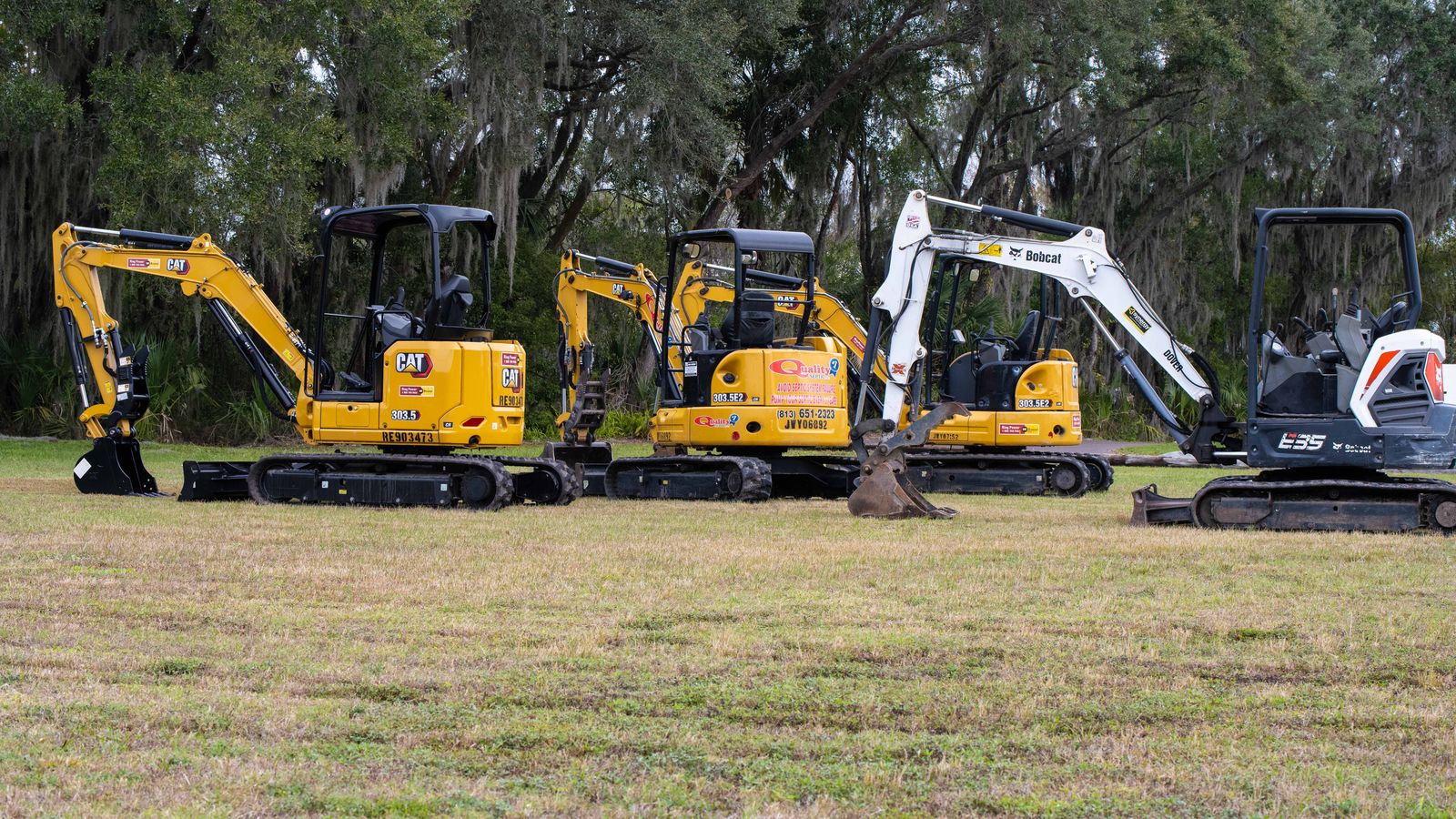
A failing drain field is a serious issue that requires immediate attention. By recognizing the warning signs early and taking quick action, you can prevent catastrophic damage, avoid expensive repairs, and keep your septic system running smoothly.
If you notice any of the following symptoms, it’s time to investigate.
6 Warning Signs of a Failing Drain Field
- 1
Slow Drains Throughout the Home
If your sinks, showers, and toilets are all draining slowly at the same time, it’s rarely a simple clog. Persistent, widespread drainage issues usually mean your drain field is no longer absorbing and dispersing wastewater.
- 2
Standing Water or Soggy Spots in the Yard
Pools of water or unusually muddy soil above or near your drain field—especially during dry weather—are a major red flag. This indicates the soil is oversaturated and can no longer filter effluent.
- 3
Unpleasant Odors
A properly functioning septic system should never smell. If a strong, foul sewage odor is drifting through your yard or wafting up from your indoor drains, your system is struggling to process waste.
- 4
An Unusually Lush, Green Lawn
While a vibrant lawn is nice, a specific patch of bright green, rapidly growing grass directly over your drain field means trouble. It suggests that nutrient-rich wastewater is rising to the surface rather than filtering downward.
- 5
Gurgling Sounds in Your Plumbing
Do your pipes bubble, gurgle, or gasp for air when you flush the toilet or run the sink? This sound happens when trapped air or backed-up wastewater restricts the natural flow of your plumbing.
- 6
Sewage Backups (Emergency)
The most severe and hazardous sign of failure is sewage backing up into your home’s lowest drains. If you see or smell blackwater coming up through your tubs or toilets, evacuate the area and call a professional immediately.
What to Do If Your Drain Field Is Failing
If you suspect your drain field is on its way out, take these immediate steps to mitigate the damage before a professional arrives:
Proactive Prevention: How to Protect Your Investment
The best way to handle drain field failure is to prevent it entirely. Use this quick checklist to keep your system healthy:
| What to Do | Why It Matters | Frequency | | —————————– | ——————————————————————————- | ———————— | | Pump the Septic Tank | Removes solid waste before it can escape into and clog your drain field. | Every 3–5 years | | Practice Water Efficiency | Prevents overwhelming the soil with more liquid than it can naturally filter. | Daily habit | | Watch What You Flush | Grease, chemicals, and non-biodegradables ruin soil chemistry and clog pipes. | Always | | Manage Landscaping | Tree and bush roots will seek out water and break apart your underground lines. | Keep trees 30+ feet away |
Catching drain field issues early can save you thousands of dollars in replacement costs. If you are experiencing any of these warning signs, let the experts handle it safely.
What we do about this
Drain Field Repair
Soggy patches and standing water. We diagnose before we dig.
Drain Field Repair →Drain Field Replacement
When a repair will not hold, the field gets replaced.
Drain Field Replacement →Drain Field Installation
Permitted through the county, financing available.
Drain Field Installation →Not sure where your system stands?
We answer seven days a week and most questions we can settle on the phone. If it needs a look, the estimate is free.