
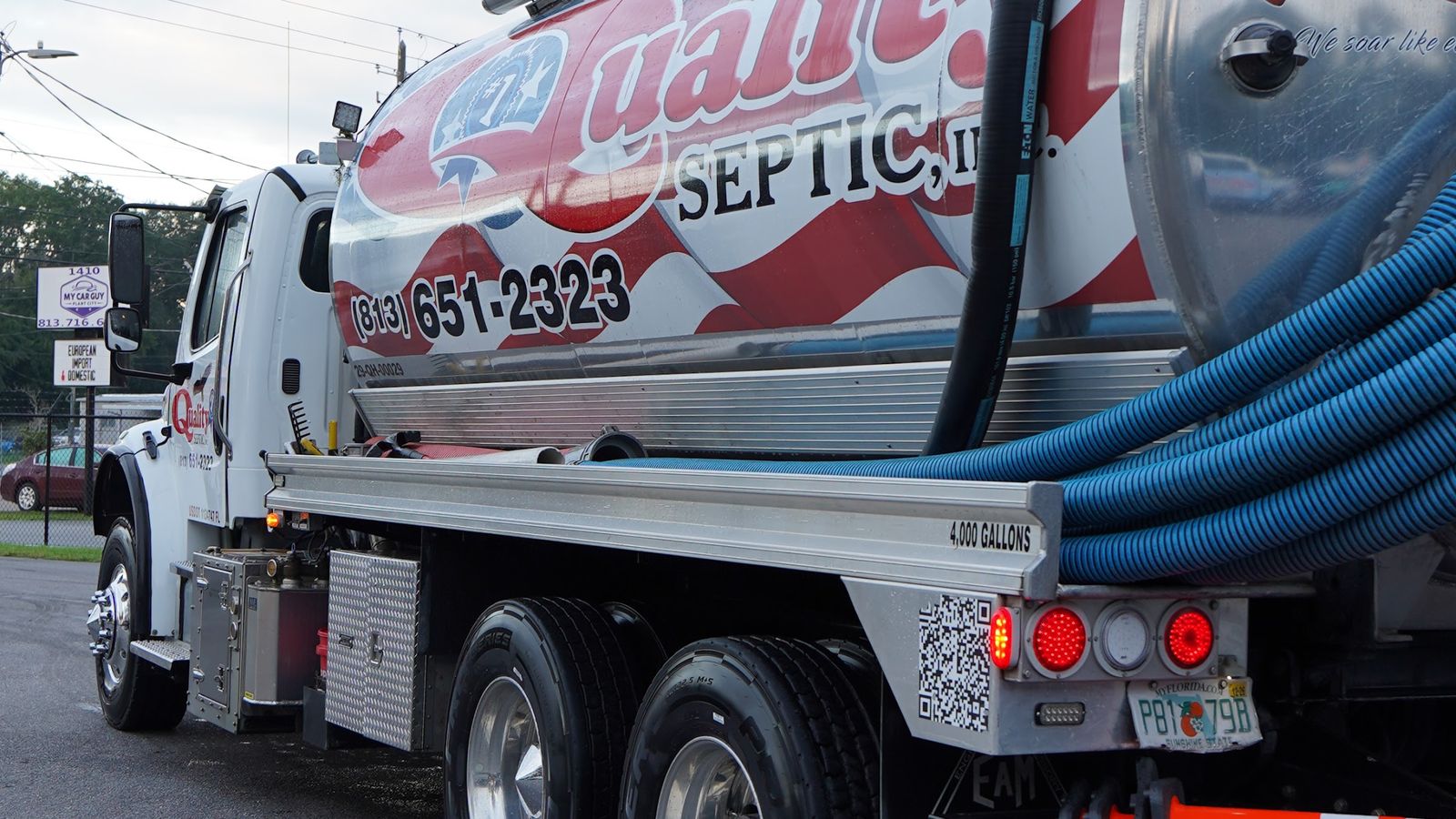
Signs Your Septic Tank Is Full
Many homeowners in Brandon, Valrico, Riverview, Plant City, and Lakeland rely on septic systems to manage wastewater from their homes. While septic systems are designed to work unseen underground, they do require regular maintenance to stay functioning properly.
One of the most common problems homeowners face is a septic tank that has become too full. When a septic tank reaches capacity, it can cause slow drains, unpleasant odors, and even sewage backups inside your home. The good news is that “most septic systems give warning signs before serious damage occurs.”
At Quality Septic Inc, we help homeowners across Central Florida identify septic issues early and keep their systems running properly. Understanding the signs your septic tank is full can help you prevent expensive repairs and protect your property.
Early Warning Signs Your Septic Tank is Full
Septic systems rarely fail without warning. Most tanks show several signs before they reach the point of overflow. If you notice any of the following issues around your home, your septic tank may need to be pumped.
- 1
Slow Drains in the House
One of the first warning signs of a full septic tank is slow draining sinks, showers, and bathtubs.
If only one drain is slow, the problem is usually a simple clog. But if multiple drains throughout the house are slow, the septic tank may be reaching its capacity. This happens because wastewater has nowhere to go once the tank becomes full.
- 2
Toilets That Gurgle or Bubble
Another common sign of a septic problem is a gurgling toilet.
When air becomes trapped in plumbing lines due to restricted septic flow, toilets may:
- Bubble after flushing
- Make gurgling noises
- Flush more slowly than normal
This pressure buildup indicates that wastewater is backing up toward the home.
- 3
Unpleasant Sewage Odors
A healthy septic system should not produce noticeable odors around your home.
If you begin to smell sewage odors in your yard, bathroom, or near drains, it may mean that the septic tank is full or that wastewater is not flowing properly to the drain field.
These smells often become stronger during hot Florida weather, which is common in areas like Brandon, Lakeland, Valrico, and Plant City.
- 4
Wet or Soggy Areas in the Yard
Signs your septic system is full are not just contained to indoor problems. A septic system that is at capacity can release wastewater into your yard before it is fully treated. This can cause wet spots or soggy areas in your yard, usually near where the septic tank, or drain field is buried.
You may notice:
- Lush, bright green grass in one area
- Standing water on the lawn
- Soft or muddy ground
What Happens When a Septic Tank Gets Too Full
To understand why septic pumping is important, it helps to know what’s going on inside your septic tank.
Inside the tank, wastewater separates into three layers:
- Sludge – heavy solids at the bottom
- Wastewater – the middle liquid layer
- Scum – grease and oils floating on top
The septic system is designed so only the middle liquid layer flows into the drain field. However, when the tank becomes too full, the sludge layer rises and begins entering the drain field.
This can lead to:
- Drain field clogs
- Soil contamination
- Septic backups in the home
- Permanent drain field damage
Drain field replacement can cost thousands of dollars, which is why pumping your septic system every 3-5 years is essential.
Why Septic Tanks Fill Up Over Time
Even when homeowners are careful about what goes down their drains, septic tanks eventually reach their capacity to hold waste.
Several factors influence how quickly this happens.
- Household Size
- Water Usage
- Garbage Disposal Use
- Size of the Septic System
How Often Septic Tanks Should Be Pumped
Most homes in Brandon, Valrico, Riverview, Plant City, Lakeland and throughout central Florida should schedule septic pumping every: 3 to 5 years
However, households with larger families or heavy water usage may need pumping every 2 to 3 years. Routine septic pumping removes accumulated sludge and prevents it from reaching the drain field.
Simple Tips to Prevent Septic Problems
Homeowners can extend the life of their septic systems by following a few simple habits. At Quality Septic Inc we recommend these tips to all of our customers in Brandon, Tampa, Lakeland, Plant City, Valrico, Riverview and all over central Florida
- Avoid flushing wipes, paper towels, or hygiene products
- Do not pour grease or cooking oil down your drains
- Spread out laundry loads during the week
- Use water-efficient fixtures
- Keep vehicles off the drain field
- Schedule regular septic inspections
These small steps can greatly reduce the risk of septic system failure.
Septic Service in Brandon, Valrico, Riverview, Plant City, and Lakeland
At Quality Septic Inc, we provide professional septic pumping, inspections, and repairs throughout Central Florida. Our team proudly serves homeowners in:
- Brandon
- Valrico
- Riverview
- Plant City
- Lakeland
- Surrounding Hillsborough and Polk County communities
As a locally trusted septic company, we understand the soil conditions, rainfall patterns, and septic systems commonly found in our area.
Our goal is to keep your septic system working safely and efficiently.
When to Call a Septic Professional
If you notice slow drains, sewage odors, wet areas in your yard, or gurgling toilets, your system is showing signs your septic tank is full. We recommend scheduling an professional inspection or septic pumping before the tank becomes completely full, to prevent major plumbing problems and costly repairs.
Schedule Septic Service Today
If you believe your septic tank may be full, the team at Quality Septic Inc is here to help. We provide dependable septic pumping and inspections throughout Central Florida.
Contact us today to schedule service and keep your septic system running smoothly.
What we do about this
Septic Tank Pumping
Same-day pump-outs, both compartments, an honest report.
Septic Tank Pumping →Drain Field Repair
Soggy patches and standing water. We diagnose before we dig.
Drain Field Repair →Septic System Repair
Pumps, alarms, baffles, lids and lines.
Septic System Repair →Not sure where your system stands?
We answer seven days a week and most questions we can settle on the phone. If it needs a look, the estimate is free.