
Same Day Septic Service | Call Today 813-651-2323
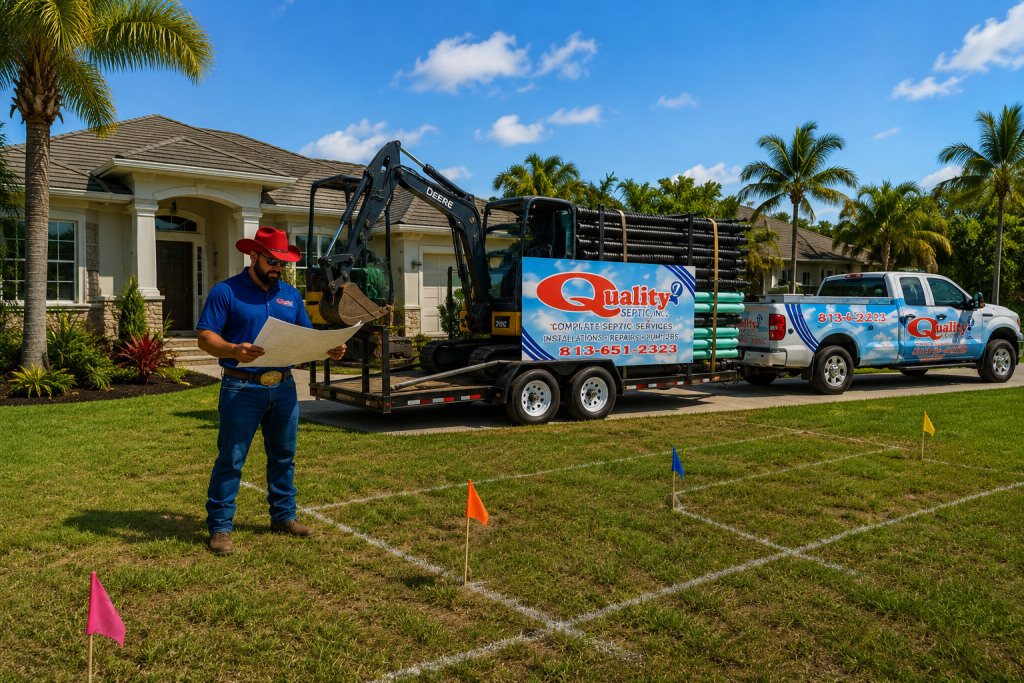
What to Expect With New and Existing Septic Systems
Whether you are breaking ground on a dream home or buying an established property, dealing with residential wastewater can feel overwhelming. In Central Florida, local soil profiles and environmental rules make your septic system one of the most critical infrastructure components on your land.
The requirements, costs, and management strategies vary wildly depending on whether you are installing a system from scratch or inheriting an older one.
Understanding exactly what to expect with both new and existing septic systems protects your property value, prevents sudden financial surprises, and keeps your household running smoothly.
Part 1: What to Expect with a New Septic Installation
Building a new home or entirely replacing an old, failed drainfield requires an organized, multi-step engineering and permitting process. Because Central Florida features sensitive groundwater basins, you cannot simply dig a hole and drop in a tank.
The Lifespan Expectancy
A brand-new, professionally installed concrete or fiberglass septic system typically lasts 20 to 40 years, depending on household usage habits and soil conditions.
The Step-by-Step Installation Process
Setting up a new system requires careful choreography between excavation crews and health department regulators:
1.Site & Soil Evaluation:Prerequisite.
A licensed engineer or contractor performs a perc (percolation) test to measure how quickly your soil absorbs water and maps out the seasonal high water table.
2.Permitting and Layout Approval:1-3 Weeks.
Detailed engineering plans are submitted to the local environmental health office to secure a construction permit, ensuring proper setbacks from wells and property lines.
3.Excavation & Placement:1-2 Days.
Heavy machinery prepares the site, buries the primary septic tank, and installs the distribution plumbing and drainfield chambers.
4.Final Regulatory Inspection:Before Cover-Up.
A health department inspector visits the site to verify the installation matches the permitted blueprints before crews backfill the area with soil.
Part 2: What to Expect with an Existing Septic System
If you are buying an existing home in Hillsborough or Polk county, you are inheriting an established wastewater system. Unlike city sewage, where you pay a monthly utility fee, an existing septic system requires personal oversight.
Red Flags to Look Out For
When touring an existing property, keep an eye out for these visual signs of hidden drainfield failure:
Lush, Strikingly Green Grass: Strips of lawn over the drainfield that look noticeably greener and thicker than the rest of the yard indicate that raw effluent is surfacing and acting as fertilizer.
Soggy or Spongy Turf: Wet patches or standing puddles when it hasn’t rained mean the soil beneath has become fully saturated and can no longer filter water.
Gurgling Drains: Slow-draining sinks or gurgling sounds coming from toilet pipes when you flush are early signs of system backup.
Real Estate Due Diligence
Standard home inspectors rarely inspect the underground health of a septic tank. Before closing on an existing home, ensure a dedicated septic professional conducts a full real estate inspection:
| Step | Action Required | Why It Matters |
| 1. Pull the Permits | Request the original construction layout from the county health department. | Verifies the system was legally permitted and matches the current home size. |
| 2. Pump & Inspect | Schedule a comprehensive pump-out and internal structural check. | Uncovers hidden structural cracks, broken baffles, or hidden line blockages. |
| 3. Check Maintenance Records | Ask the seller for past pump-out receipts (should occur every 3 to 5 years). | A lack of clear records indicates potential deferred maintenance issues. |
Serving Our Local Central Florida Communities
Wastewater dynamics change depending on your neighborhood. Properties in low-lying, high-water-table areas like Riverview, Seffner, Thonotosassa, and Valrico face different drainage realities than the sandy hills of Lakeland or the growing residential zones in Lutz, Land O’ Lakes, and Brandon.
Whether you need to clear a building site in Plant City or inspect a home you’re bidding on in Tampa, partnering with an experienced local specialist keeps you compliant with regional codes.
Contact a state-licensed septic professional today to schedule a detailed site layout consultation or a real estate transaction inspection for your property.